Salt, Humidity, and Time: How to Actually Protect Your Undercarriage Based on Where You Live
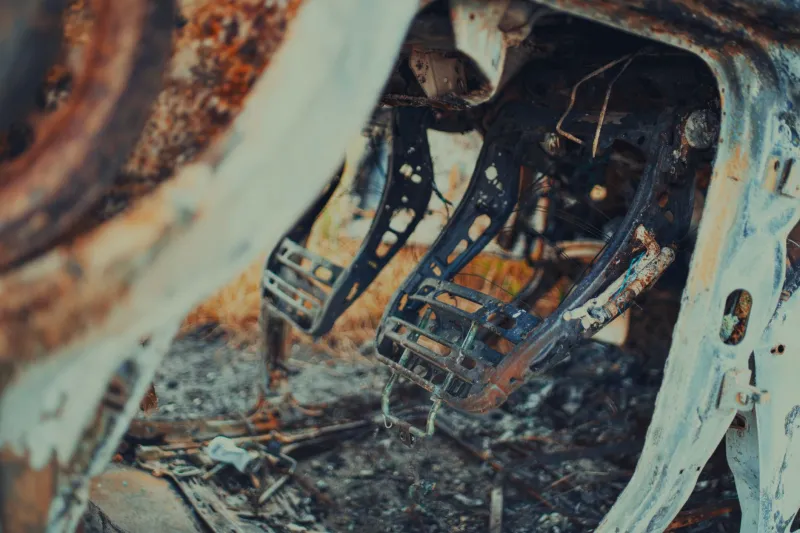
Rust is the long game. It doesn't announce itself with a warning light or a strange noise. It just works, quietly and consistently, on every exposed metal surface under your vehicle. And depending on where you live in the United States, the specific threat you're dealing with—and the parts most likely to fail because of it—can look completely different.
This isn't a one-size-fits-all situation, and the auto parts industry doesn't always make that clear. So let's break it down by region, get specific about what's at risk, and talk about what actually works.
The Rust Belt: Road Salt Is a Long-Term Loan You Didn't Sign Up For
If you drive in the Upper Midwest, Great Lakes region, or the Northeast—states like Ohio, Michigan, Pennsylvania, New York, Illinois, and Wisconsin—you already know road salt is part of winter life. What you might not fully appreciate is the cumulative effect. Road salt doesn't just rinse off when temperatures climb above freezing. It embeds in crevices, wicks into seams, and continues attacking metal for weeks after the last snowfall.
The parts most commonly destroyed in these states are brake lines and fuel lines (metal lines corrode from the outside in, and failures here are genuinely dangerous), subframe mounting points, control arm bushings and brackets, exhaust systems, and rocker panels.
Mechanics in rust-belt shops see a consistent pattern: vehicles that were never undercoated at purchase or treated annually develop serious structural corrosion by 8–10 years, often well before the drivetrain has any significant issues. "We've had customers come in with 80,000-mile engines running perfectly but frames that are compromised," says one shop owner in the Cleveland area. "The mechanical stuff held up fine. The metal underneath didn't."
What actually works here: Oil-based undercoating applied annually is the most effective solution for vehicles already on the road. Products like Fluid Film and Krown penetrate into existing rust and displace moisture rather than just sitting on the surface like rubberized coatings. For new vehicles or recent purchases, a rubberized undercoat applied to clean metal provides a solid barrier—but it needs to be reapplied as it chips. Combine both approaches for maximum coverage.
For replacement parts in this region, prioritize stainless steel brake line kits when replacing corroded lines rather than standard steel. Aftermarket exhaust components made from aluminized or stainless steel will outlast OEM mild steel systems significantly in high-salt environments.
The Gulf Coast and Southeast: Humidity Is the Quieter Killer
Texas, Louisiana, Florida, Alabama, Georgia—drivers here don't deal with road salt, and many assume that means rust isn't their problem. That's a costly assumption. High ambient humidity, coastal salt air, and the kind of heat that accelerates chemical reactions create a different but equally persistent corrosion environment.
Here the damage tends to show up differently: surface rust on body panels, corrosion at electrical ground points (which causes all kinds of bizarre electrical gremlins), deterioration of rubber components accelerated by UV and heat, and rust inside frame rails where moisture collects and can't escape.
The undercarriage in humid southern climates often looks okay from a quick visual inspection while quietly developing internal rust in enclosed sections. Vehicles that sit unused for extended periods—think a second car, a truck used only seasonally—are particularly vulnerable because moisture accumulates without the drying effect of regular driving.
What actually works here: Cavity wax injection into enclosed frame sections and door sills is worth doing on any vehicle you plan to keep long-term. Annual inspection of electrical ground straps and replacement of corroded ones prevents cascading electrical issues that are notoriously difficult to diagnose. For coastal areas within about 50 miles of the ocean, treat your vehicle more like a rust-belt car—annual Fluid Film or equivalent treatment is genuinely warranted.
The Mountain West and High Desert: Freeze-Thaw and Altitude Add Their Own Wrinkles
Colorado, Utah, Nevada, and parts of New Mexico and Arizona deal with a combination of factors that often catch drivers off guard. High-altitude UV exposure degrades rubber and plastic undercarriage components faster than at sea level. Mountain states also use road salt and sand on passes, creating localized salt exposure even if you don't think of yourself as a rust-belt driver. The freeze-thaw cycle in areas with significant elevation changes is particularly hard on anything that holds or channels moisture.
Suspension components—particularly ball joints and tie rod ends—tend to wear faster in high desert environments due to dust infiltration. Wheel bearing seals also take a beating from the combination of temperature cycling and grit.
What actually works here: Focus on regular inspection and proactive replacement of suspension wear components rather than just corrosion protection. Annual undercoating is still worth doing for vehicles used on mountain roads in winter. High-quality replacement ball joints and tie rod ends with robust sealing are a better investment than budget options in this environment.
The Pacific Northwest: Moisture Without Salt—But Don't Get Comfortable
Washington, Oregon, and northern California get a reputation for rust because of persistent moisture, but the absence of road salt means the threat is more manageable. The real issue here is long-term surface oxidation, particularly on older vehicles, and moisture intrusion into electrical connections.
Vehicles garaged in the Pacific Northwest often outlast comparable cars from the Midwest by a decade or more. But vehicles parked outside in Seattle or Portland year-round accumulate surface rust that, left untreated, eventually becomes structural rust—just on a longer timeline.
What actually works here: Dielectric grease on electrical connections, annual undercarriage inspection, and touchup of any surface rust before it spreads. Rubberized undercoating applied every few years is sufficient for most drivers here without the need for annual oil-based treatments.
The Parts Worth Upgrading Regardless of Where You Live
A few components are worth upgrading to corrosion-resistant alternatives no matter your region: stainless steel exhaust hardware (bolts and flanges corrode universally), silicone-coated brake hoses over rubber, and zinc-coated brake hardware kits when doing brake jobs. These aren't premium splurges—they're incremental costs that meaningfully extend service life.
At AGS Auto Parts, we stock region-appropriate options for all of these components. Whether you're sourcing stainless brake lines for a truck in Buffalo or cavity wax for a vehicle on the Gulf Coast, the right product for your climate makes a real difference. Rust doesn't take shortcuts, and neither should your prevention strategy.