Aftermarket Warranty Fine Print: What's Actually Covered When a Part Goes Bad

Everybody loves saving money on parts. Aftermarket components can run anywhere from 20% to 60% cheaper than OEM equivalents, and for a lot of repairs, that's a perfectly reasonable trade-off. But here's the thing nobody tells you at checkout: the warranty on that part isn't automatically your safety net. In fact, for a lot of buyers, aftermarket warranties end up being more of a comfort blanket than actual protection.
Let's cut through the marketing language and talk about what aftermarket warranties actually cover, what voids them faster than you'd think, and how to shop smarter so you're not left holding the bill when something goes sideways.
The Difference Between a Warranty and a Marketing Promise
Walk through any parts catalog—online or at the counter—and you'll see phrases like "lifetime warranty," "limited lifetime coverage," and "1-year replacement guarantee" plastered everywhere. These all sound reassuring. They are not all the same thing.
A lifetime warranty on a part like a radiator hose or a set of floor mats sounds impressive. But "lifetime" usually refers to the lifetime of the vehicle, not your ownership of it, and it's almost always a replacement-only warranty. That means if the part fails, you get another part—not labor reimbursement, not a refund, and definitely not compensation for any secondary damage the failed component caused.
A limited warranty, on the other hand, spells out specific conditions under which coverage applies. Read those conditions. Seriously. Some limited warranties are actually more useful than lifetime ones because they're clearer about what they cover. Others are so riddled with exclusions that they're essentially decorative.
Common Warranty Killers You Might Not Expect
Even when a warranty is legitimate, it's surprisingly easy to void it without realizing it. Here are the most common ways coverage disappears:
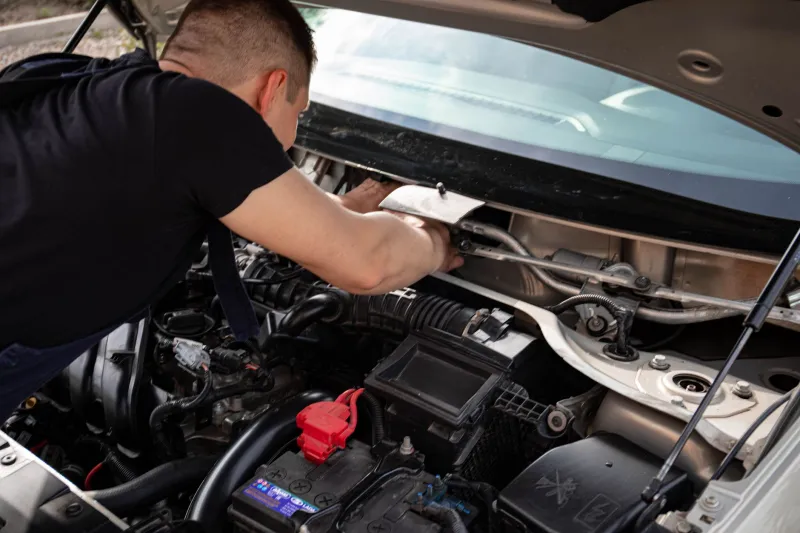
Installation errors. This is the big one. If a part is installed incorrectly—wrong torque spec, missing gasket, incompatible fluid—most manufacturers will deny the claim. And proving the installation was done right falls on you, not them. If you're doing the work yourself, document everything: photos before and after, the torque specs you used, the OBD codes present at the time of installation.
Using incompatible fluids or materials. Some components, especially seals and gaskets, are sensitive to fluid chemistry. Using the wrong transmission fluid or a non-compatible grease can degrade materials in ways that look like a manufacturing defect but technically aren't covered.
Commercial use. A lot of warranties are voided the moment a vehicle is used for rideshare, delivery, or towing beyond a certain capacity. If you Uber on weekends, that's worth knowing before you buy.
Failure to follow a break-in procedure. Brake pads are the classic example here. Many manufacturers require a specific bedding process, and if you skip it and the pads glaze or wear unevenly, that's on you according to the warranty terms.
Red Flags in Warranty Language
Not all warranty documents are created equal, and some are written specifically to limit the manufacturer's exposure rather than protect yours. Here's what to watch for:
- No specific coverage duration listed. If the warranty doesn't state a clear time or mileage limit, it's probably not worth much.
- "Defects in materials and workmanship only." This phrase excludes normal wear, which is how a lot of parts fail in real-world use.
- Claim process that requires returning the part at your expense. Some warranties require you to ship the failed component back—freight paid—before they'll even evaluate the claim. On a heavy component, that alone might cost more than the part.
- No mention of labor coverage. Labor is almost never covered by aftermarket warranties, but if a brand makes it seem like it is without spelling out the details, that's a red flag.
- Warranty only honored through original retailer. If you bought it online and that seller disappears, so does your coverage.
How to Document Purchases Like a Pro
The single best thing you can do to protect yourself is treat every parts purchase like a potential future insurance claim. That means:
- Save the receipt and warranty card. Digital copies are fine—email it to yourself or store it in a cloud folder organized by vehicle.
- Photograph the part before and after installation. Date-stamp the photos if possible.
- Note the mileage at installation. This matters for mileage-based warranties and for proving timing if a failure occurs.
- Keep any OBD codes or diagnostic records from before the repair. This establishes what the vehicle's condition was at the time.
- Register the warranty if required. Some brands require online registration within a specific window. Miss that window and you may have no coverage at all.
Which Part Categories Tend to Have Stronger Warranties
Not all categories are equal. Here's a general breakdown of where aftermarket warranties tend to hold up better—and where they're more likely to disappoint:
Generally solid: Electrical components from established brands (alternators, starters), remanufactured calipers and steering racks from reputable remanufacturers, and timing components from OEM-supplier brands.
Proceed with caution: Suspension components from no-name brands, cheap oxygen sensors, and anything labeled "universal fit" with a lifetime warranty. These categories see the highest rate of warranty disputes.
Almost never covers what you think: Clutch kits (wear item exclusions apply almost universally), belts and hoses, and brake pads beyond a basic defect claim.
The Bottom Line
An aftermarket warranty is only as good as the brand standing behind it and the documentation you have to support a claim. Before you buy on price alone, spend five minutes reading the actual warranty terms—not the marketing summary, the actual document. Look for clear coverage windows, a reasonable claim process, and a brand with a track record of honoring claims.
At AGS Auto Parts, we stock components from manufacturers whose warranties are built to be used, not just advertised. If you're ever unsure about coverage on a specific part, our team can walk you through what to expect before you buy—not after something goes wrong.