Chasing MPG: The Honest Truth About Which Fuel Economy Upgrades Are Worth Your Money
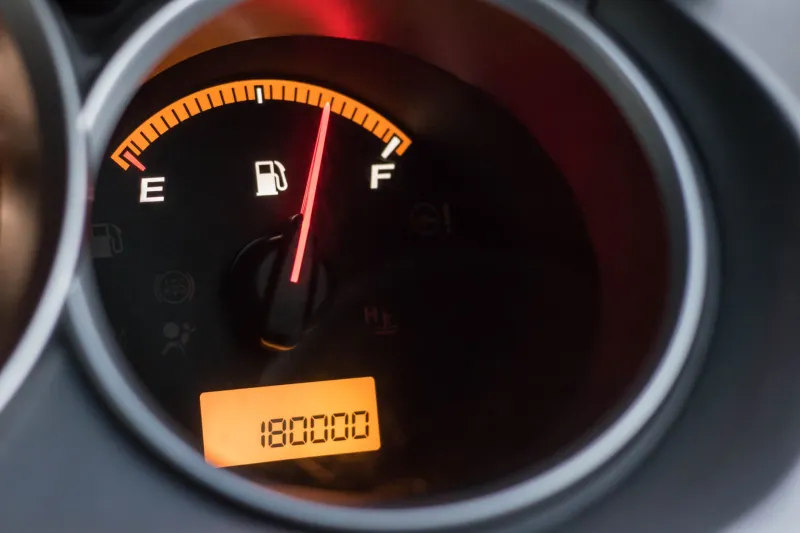
Every time gas prices spike, the internet fills up with threads about fuel economy upgrades. Cold air intakes, fuel system cleaners, performance chips, lightweight wheels—the claims range from modest to borderline miraculous. And because most drivers don't have access to a dyno or a controlled testing environment, it's nearly impossible to separate real gains from wishful thinking.
Let's fix that. We're going through the most commonly marketed fuel economy upgrades one by one, looking at what independent testing and EPA data actually show, and helping you figure out where your money does—and doesn't—make sense to go.
Cold Air Intakes: Real Power Gains, Modest MPG Reality
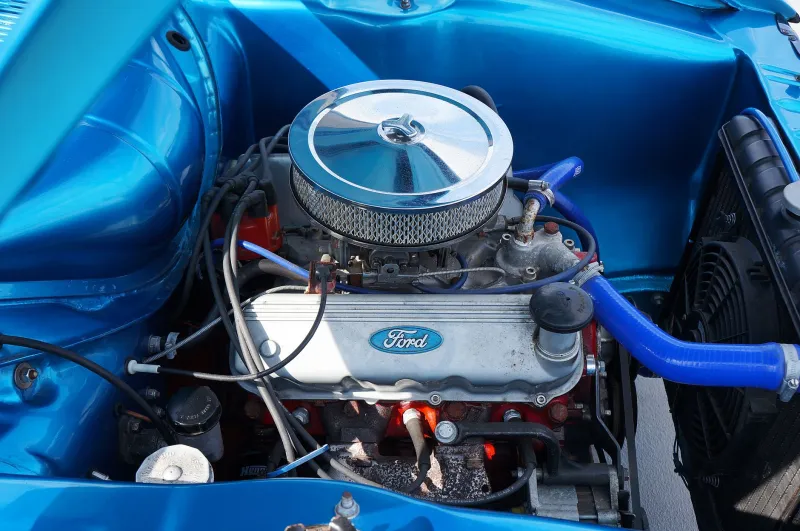
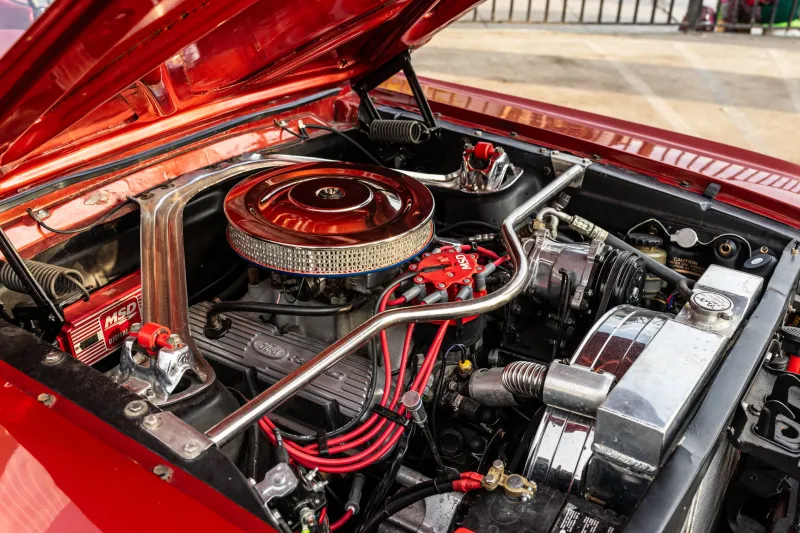
Cold air intakes are one of the most popular bolt-on modifications in the enthusiast community, and the claims around fuel economy are... optimistic. The theory is sound: denser, cooler air contains more oxygen, which allows for more efficient combustion. In practice, the MPG gains from a cold air intake on a modern fuel-injected vehicle are typically 1–3% under real-world conditions—if you drive conservatively.
Here's the catch: most people who install a cold air intake don't drive more conservatively after doing so. The intake makes the engine sound more aggressive and improves throttle response, which tends to encourage harder acceleration. The EPA's own testing methodology doesn't account for the behavioral change that often follows performance modifications, which is part of why manufacturer claims and real-world results diverge.
If you're installing a cold air intake purely for MPG gains on a daily driver, the math rarely works out. At 2% improvement on a vehicle getting 30 MPG, you're looking at 0.6 MPG better. At 12,000 miles per year, that's about 20 gallons saved—maybe $70 at current prices. A quality intake costs $200–$400. The payback period is years, assuming your driving habits don't change.
Where intakes do make more sense: turbocharged engines, where charge air temperature has a more meaningful impact on boost efficiency, and vehicles where you're also chasing horsepower rather than just MPG.
Fuel System Cleaners: The Most Oversold Product in the Category
Fuel injector cleaners and fuel system additives occupy a weird space. Some of them work—in specific circumstances. If your injectors are genuinely fouled with deposits, a quality cleaner like Chevron Techron can restore flow and improve combustion efficiency. The problem is that most modern gasoline already contains detergent additives that prevent significant fouling under normal use.
For a vehicle running quality Top Tier fuel and maintained on schedule, adding a $10 bottle of injector cleaner to the gas tank every oil change is unlikely to produce any measurable MPG improvement. Independent dyno testing repeatedly shows results within the margin of measurement error for vehicles without confirmed injector fouling.
Where they're actually useful: older vehicles (pre-2000), engines running on lower-quality fuel over extended periods, or as part of a targeted cleaning protocol when you have diagnosed injector issues. As a routine additive for a healthy modern engine, it's largely a feel-good purchase.
Lightweight Wheels: Genuine Physics, Conditional Returns
This one is legitimately interesting, because the physics are real. Reducing unsprung and rotating mass improves acceleration, braking, and handling. It also reduces the energy required to maintain speed and accelerate from stops—which does translate to fuel economy under the right conditions.
The key phrase is "under the right conditions." Independent testing by outlets like Car and Driver and various engineering analyses suggest that reducing wheel weight by 10 lbs per corner can improve fuel economy by roughly 1–1.5% in mixed driving. In stop-and-go city driving, where you're constantly accelerating from rest, the effect is more pronounced. On steady highway cruising, it's minimal.
The honest calculation: quality lightweight alloy wheels cost $800–$2,000 for a set. At 1.5% improvement on 28 MPG, you're saving maybe 1.5 gallons per tank. The fuel savings alone will never pay for the wheels. But if you're upgrading wheels for aesthetics or handling anyway, the MPG benefit is a legitimate bonus—not a justification on its own.
Low Rolling Resistance Tires: The Upgrade That Actually Pencils Out
Here's where things get more interesting. The EPA estimates that tire rolling resistance accounts for 5–15% of a vehicle's fuel consumption. Switching from standard all-season tires to low rolling resistance (LRR) tires when it's time for replacement can yield 3–7% MPG improvement in real-world testing—a significantly larger effect than most bolt-on modifications.
Modern LRR tires from brands like Michelin (Energy Saver), Bridgestone (Ecopia), and Continental (PureContact) have improved dramatically in terms of wet traction and handling compared to early-generation eco tires, which had a reputation for compromised grip. You're not making a major safety trade-off the way you once were.
Because you're replacing tires anyway at some point, the incremental cost of choosing LRR tires is often modest—sometimes $20–$50 per tire over comparable standard tires. The MPG math actually works here in a way it doesn't for most other upgrades.
Oxygen Sensors and Air Filters: Maintenance Masquerading as Upgrades
A lot of "fuel economy upgrades" are really just deferred maintenance items. A failing oxygen sensor causes your engine management system to run a rich fuel mixture—too much fuel, not enough air—which tanks fuel economy by 10–40% according to EPA data. Replacing a bad O2 sensor restores baseline efficiency. That's not an upgrade; that's fixing something broken.
Same story with a clogged engine air filter. A severely restricted filter reduces airflow, forces the engine to work harder, and degrades combustion efficiency. Replacing it restores factory performance. The "MPG gain" you see in marketing materials for performance air filters is almost always the improvement over a dirty stock filter, not over a clean one.
The takeaway: if your vehicle isn't running at its factory-rated fuel economy, the answer is almost always maintenance, not modification. Address deferred maintenance before spending money on upgrades.
What the Data Actually Tells Us
If you're genuinely trying to improve fuel economy rather than just power, the priority order looks like this: start with maintenance (O2 sensors, air filter, spark plugs, tire pressure), then consider LRR tires on your next replacement cycle, then evaluate lightweight wheels if you're upgrading anyway. Cold air intakes and fuel additives belong at the bottom of the list for MPG-focused buyers.
The best fuel economy modification is almost always driving behavior—smooth acceleration, maintaining highway speed rather than surging, and keeping up with maintenance. But since that's not something you can buy, it rarely makes the marketing materials.
At AGS Auto Parts, we carry the components that actually move the needle: O2 sensors, quality air filters, and the maintenance parts that keep your engine running at the efficiency it was designed for. We'll always tell you straight what's worth buying—and what's better left on the shelf.