Ask the Counter Guy: Insider Moves That Get You the Right Part the First Time
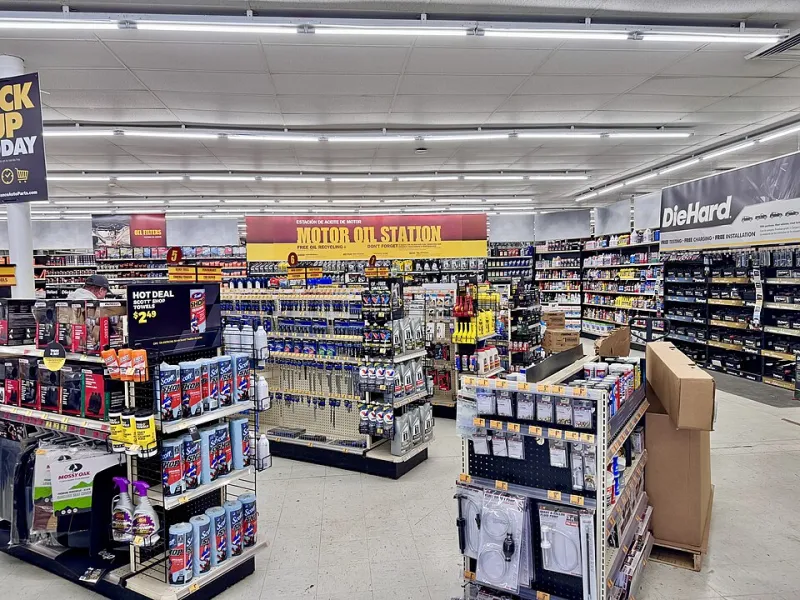
Photo: Harrison Keely, CC BY 4.0, via Wikimedia Commons
There's a reason the veteran behind the parts counter can find the right brake rotor in ninety seconds while your phone search returns forty results that all claim to fit your truck. Counter staff live inside the catalogs. They know which listings are traps, which economy lines are secretly made by the premium manufacturer, and which questions to ask before they'll even pull a part off the shelf.
We talked shop with folks who've spent years on both sides of that counter, and the good news is this: their tricks aren't secret. They're just never written down. Until now.
The VIN Is the Handshake, Not the Whole Conversation
Every parts pro starts with the VIN because it kills guesswork about trim level, axle ratio, and build date. But here's what they know that the lookup tool doesn't tell you: VINs don't catch mid-year production changes, and they won't tell anyone if the previous owner swapped components.
That's why a good counter person always follows up with questions like:
- "Is the car still wearing original wheels, or has it been changed?"
- "When you pull the old part, are there any part numbers stamped on it?"
- "Any modifications—lift kit, bigger brakes, aftermarket intake?"
Copy that habit. Before you order anything, photograph the old part, especially any stamped numbers or casting marks. A ten-digit number on a rusty bracket is worth more than an hour of forum scrolling.
Cross-Referencing: The Counter Pro's Superpower
Here's an open secret of the industry: a huge slice of the aftermarket comes off a small number of assembly lines. That "premium" water pump and the house-brand pump next to it might roll out of the same facility with different boxes and different prices.
Counter staff cross-reference constantly, and you can too. Look for the manufacturer's number on the part itself, then search that number rather than the application. If three brands share a casting number, you've just found the same part wearing three costumes.
The reverse is also true. Some economy-tier listings are built to a price point with thinner castings, cheaper bearings, or no internal hardware included. When a listing says "gasket not included," believe it.
The Catalog Traps Worth Knowing
A few patterns show up again and again:
The "fits multiple vehicles" wildcard. Listings that stretch across a decade of models are usually engineered to the loosest common denominator. Fine for a cabin air filter; risky for a hub assembly.
The photo isn't the product. Catalog images are often generic renders. If the listing won't tell you the country of manufacture or the actual brand behind it, that silence is information.
The bundle bait. Some "complete" kits include hardware you'll never use while omitting the one torque-spec-critical bolt you actually need. Read the contents list like a recipe, not a headline.
What to Ask, In Plain English
You don't need to speak fluent parts. You just need four questions:
- "Is this the OEM-equivalent tier, or a value tier?" This forces clarity on quality levels.
- "What's the warranty, and who honors it?" A lifetime warranty backed by a company that answers the phone is worth real money.
- "Does this include the hardware and seals I'll need for the job?" Surprise trips mid-repair are how weekends get ruined.
- "Is there a known problem with this part on my vehicle?" Counter pros remember the lemons. Ask them.
The Upsell Isn't Always an Upsell
Yes, some counters push the pricier option. But plenty of "upsells" are actually the pro trying to save you a second job. If someone recommends replacing the idler pulley while you're doing the belt, they're not padding the ticket—serpentine systems often wear together, and labor is the expensive part of that equation.
The line between helpful and greedy is simple: a good recommendation saves you a return visit. A bad one saves you five dollars today and costs you a tow later. Ask "would you put this on your own car?" and watch how the answer changes the conversation.
Your Counter, Wherever You Are
This is exactly the gap AGS Auto Parts was built to close. The knowledge of a sharp counter professional shouldn't require driving to one, and it shouldn't disappear when the shop closes at 6 p.m. Our catalog is structured in clear quality tiers, our fitment data is VIN-based, and our support team answers the questions a good counter pro would ask—before you order, not after the box shows up wrong.
The next time you're stuck between two listings at 11 p.m., skip the forum rabbit hole. Ask the questions the pros ask, check the casting numbers, and buy from people who'll tell you the truth about what's in the box.